
Foot and ankle conditions can affect walking, work, sport, balance and footwear. Dr Dolapo Sotade is a specialist orthopaedic surgeon who assesses foot and ankle pain, deformity, arthritis, tendon disorders and instability at Summit Orthopaedics in Toowoomba.
Symptoms may follow an injury or develop gradually from altered alignment, tendon overload, arthritis or pressure from footwear. Assessment aims to identify the main pain source, explain non-surgical options and discuss an operation only when it is proportionate to the condition and the patient’s goals.
Most foot and ankle conditions do not begin with surgery. Footwear, load management, physiotherapy, bracing, orthoses and selected injections may be appropriate before an operation is considered.
Pain when walking, standing, working or wearing shoes
Heel or Achilles tendon pain
A painful bunion, stiff big toe or lesser-toe deformity
Repeated ankle sprains, instability or a feeling that the ankle gives way
Ankle or midfoot arthritis, stiffness or swelling
Flatfoot, high-arched foot or progressive change in foot shape
Burning, tingling or numbness in the forefoot
A foot or ankle injury that is not recovering as expected
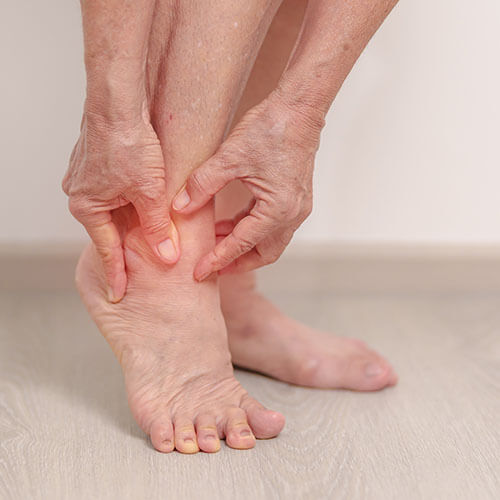
Achilles pain may occur within the tendon or where it inserts into the heel. Treatment commonly begins with load adjustment, heel lifts, footwear modification and progressive calf strengthening. Surgery may be considered for persistent insertional disease, symptomatic bony prominence, substantial tendon degeneration or acute rupture in selected patients. The procedure and recovery depend on the tendon problem and tissue quality.
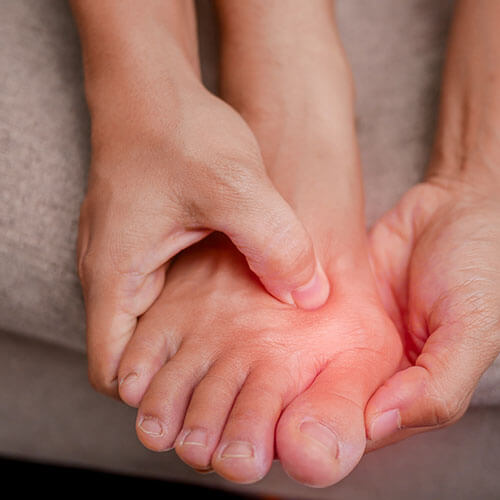
A bunion is a three-dimensional deformity in which the big toe drifts towards the lesser toes and the first metatarsal becomes prominent. Wider shoes, padding and orthoses may improve comfort but do not permanently realign bone. Bunion surgery is considered for persistent pain, shoe difficulty or functional limitation rather than appearance alone. The operation is selected according to deformity, joint condition, alignment and stability.
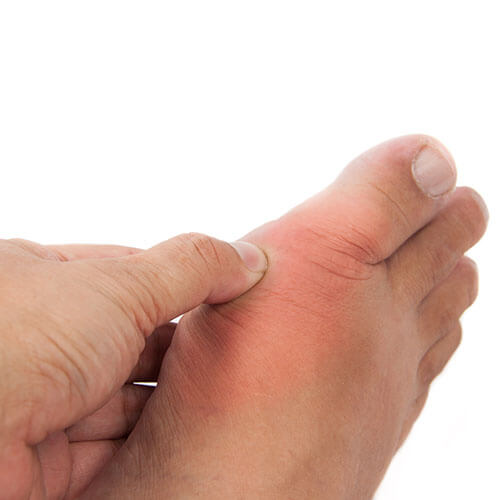
Arthritis of the first metatarsophalangeal joint can cause pain and stiffness during push-off. Stiff or rocker-soled shoes, inserts, activity adjustment and selected injections may help. Surgical options may include removal of impinging bone in earlier disease or big-toe fusion for advanced painful arthritis.
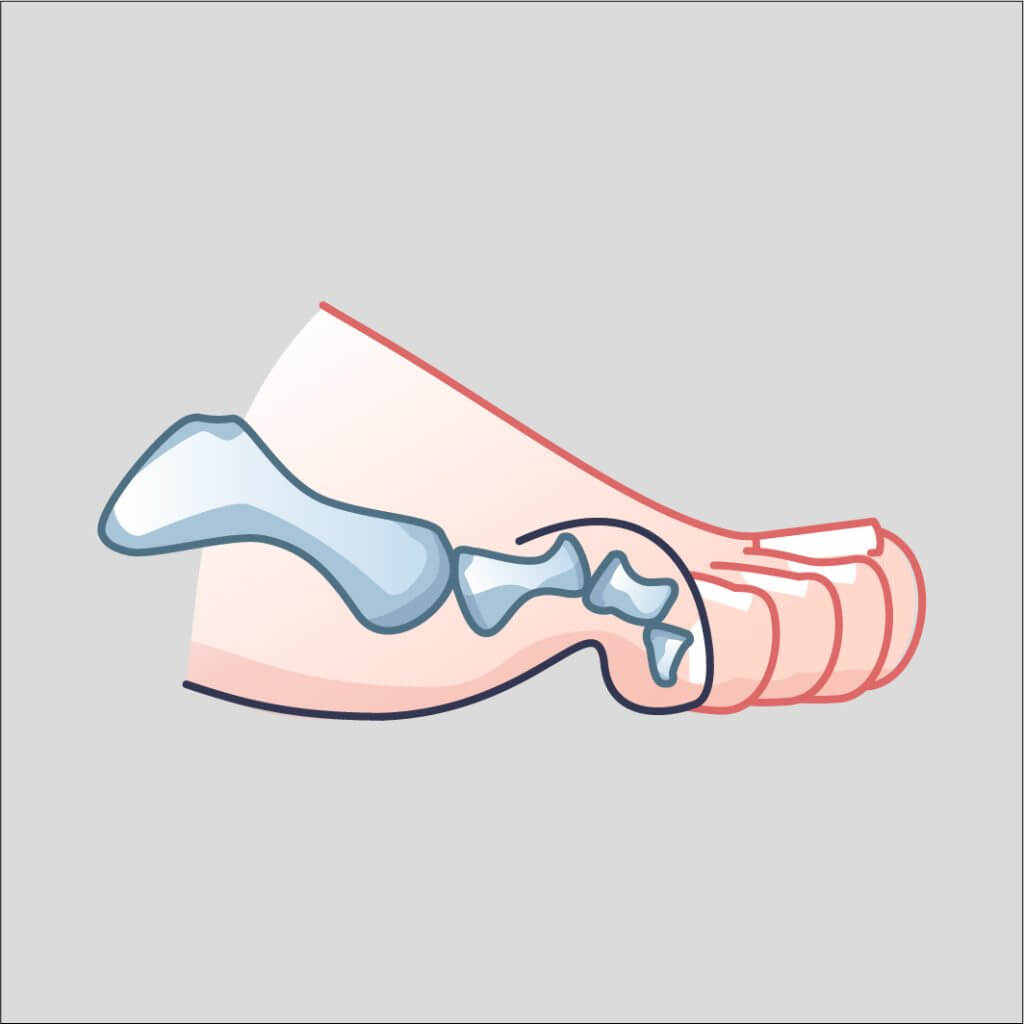
Lesser-toe deformities may cause rubbing, corns, callus, forefoot pain and difficulty fitting shoes. Initial treatment includes a wider toe box, padding, toe sleeves, callus care and orthoses. Surgery is tailored to whether the deformity remains flexible or has become rigid and may involve tendon balancing, bone correction or joint fusion.
Midfoot arthritis can cause pain through the arch or top of the foot, particularly on uneven ground. Rocker-soled shoes, a full-length carbon plate, contoured orthoses and image-guided injections may help. Fusion is considered when pain is well localised, arthritis is confirmed and non-surgical treatment has not provided acceptable function. The aim is to fuse only the symptomatic joints while restoring a plantigrade foot.
Morton’s neuroma describes irritation and thickening around a digital nerve, usually in the third web space. Symptoms can include burning pain, tingling, numbness or a pebble-like sensation. Footwear changes, metatarsal support and injections may be considered before surgical excision.
Plantar fasciitis commonly causes pain beneath the heel with the first steps after rest. Treatment is usually non-surgical and may include plantar-fascia and calf stretching, load management, supportive footwear, orthoses, night splinting and physiotherapy. Other causes of heel pain should be considered when symptoms are atypical.
Most ankle sprains improve with bracing and structured rehabilitation. Recurrent rolling, giving way or objective ligament laxity may represent chronic ankle instability. Physiotherapy focuses on strength, balance, proprioception and return-to-activity control. Anatomic ligament repair or reconstruction may be discussed when instability persists despite adequate rehabilitation.
Ankle osteoarthritis often develops after a previous fracture or repeated instability. Rocker-soled footwear, bracing, physiotherapy, activity modification, medication and injections may reduce symptoms. Selected early or asymmetric disease may be treated with arthroscopy or realignment. End-stage arthritis may require ankle fusion or, in selected patients, total ankle replacement. Each option has different implications for motion, loading and future surgery.
Adult flatfoot and cavus, or high-arched, feet can overload tendons and joints and may contribute to instability or pressure areas. Assessment considers whether the deformity is flexible, which tendons are functioning and where arthritis is present. Treatment ranges from footwear, orthoses and bracing to combined tendon, bone or fusion procedures in selected progressive or painful cases.
A lump may arise from a joint, tendon sheath, bursa, bone or soft tissue. Examination and ultrasound or MRI may be used when the diagnosis is uncertain. Surgery is considered selectively when a benign lesion causes persistent pain, nerve pressure, footwear difficulty or recurrent skin problems.
This list describes procedures that may be used for selected diagnoses. It does not mean that a listed operation is suitable or necessary for every person with that condition.
Assessment includes symptom location, footwear, work and sport demands, previous injury, medical history and earlier treatment. Examination may include standing alignment, gait, joint movement, tendon strength, ligament stability, nerve function and areas of pressure or callus.
Weight-bearing X-rays are often the most useful first imaging test because they demonstrate alignment under load. Ultrasound, CT, MRI or diagnostic injection is arranged selectively when it is likely to clarify the pain source or assist treatment planning.
Risks vary with the operation and may include infection, wound problems, bleeding, blood clots, nerve irritation or numbness, stiffness, persistent pain, recurrence, non-union or malunion, metalwork irritation, altered loading and further surgery. Smoking, diabetes, circulation, neuropathy, bone quality, weight and medications may affect risk and healing.
Recovery ranges from early protected walking after a minor procedure to six or more weeks without weight-bearing after a fusion or reconstruction. Swelling can persist for several months. Work, driving and return to sport are individualised according to the side, procedure, healing, footwear and functional control.
No. Surgery is based on pain and functional difficulty, not the appearance of the foot alone. Wider footwear, padding and orthoses may provide adequate comfort.
Yes. Many patients improve with a structured program of strength, balance, proprioception and bracing. Surgery is reserved for persistent instability with supporting clinical findings.
No. Treatment depends on arthritis severity, alignment, age, activity, bone and soft tissues. Options may include bracing, injections, arthroscopy, realignment, fusion or total ankle replacement in selected cases.
Not routinely. Weight-bearing X-rays are often more useful initially. MRI, CT or ultrasound is arranged when it may change diagnosis or treatment.
Swelling commonly lasts longer than the skin wound takes to heal and may fluctuate for several months. The expected pattern depends on the operation and individual healing.
A GP or specialist referral is recommended. Bring relevant imaging, reports, medication details and the shoes, brace or orthoses related to your symptoms. Consultations are held at Suite 61, St Andrew’s Toowoomba Hospital, 280 North Street, Rockville QLD 4350.