
Orthopaedic trauma includes fractures, dislocations and injuries to joints, ligaments, tendons and surrounding soft tissues. Dr Oludolapo Sotade provides specialist orthopaedic assessment and follow-up for selected upper- and lower-limb injuries at Summit Orthopaedics in Toowoomba.
Some injuries heal with a cast, brace, protected weight-bearing and rehabilitation. Others require reduction, fixation or soft-tissue repair. The treatment decision depends on injury pattern, alignment, stability, joint involvement, skin and soft tissues, general health and functional needs.
Important: Summit Orthopaedics is not an emergency service. For a new severe injury, open wound, obvious deformity, uncontrolled pain, loss of circulation or sensation, or concern about infection, attend an emergency department or call 000.
Upper-limb fractures and dislocations
Selected hand, wrist, forearm, elbow, arm and shoulder-region injuries
Hip, femur, knee, tibia and fibula injuries
Ankle and foot fractures, dislocations and ligament injuries
Tendon or soft-tissue injuries associated with trauma
Follow-up after emergency department or hospital treatment
Review where pain, swelling, alignment or function is not progressing as expected
Work-related injuries requiring an orthopaedic opinion and rehabilitation plan
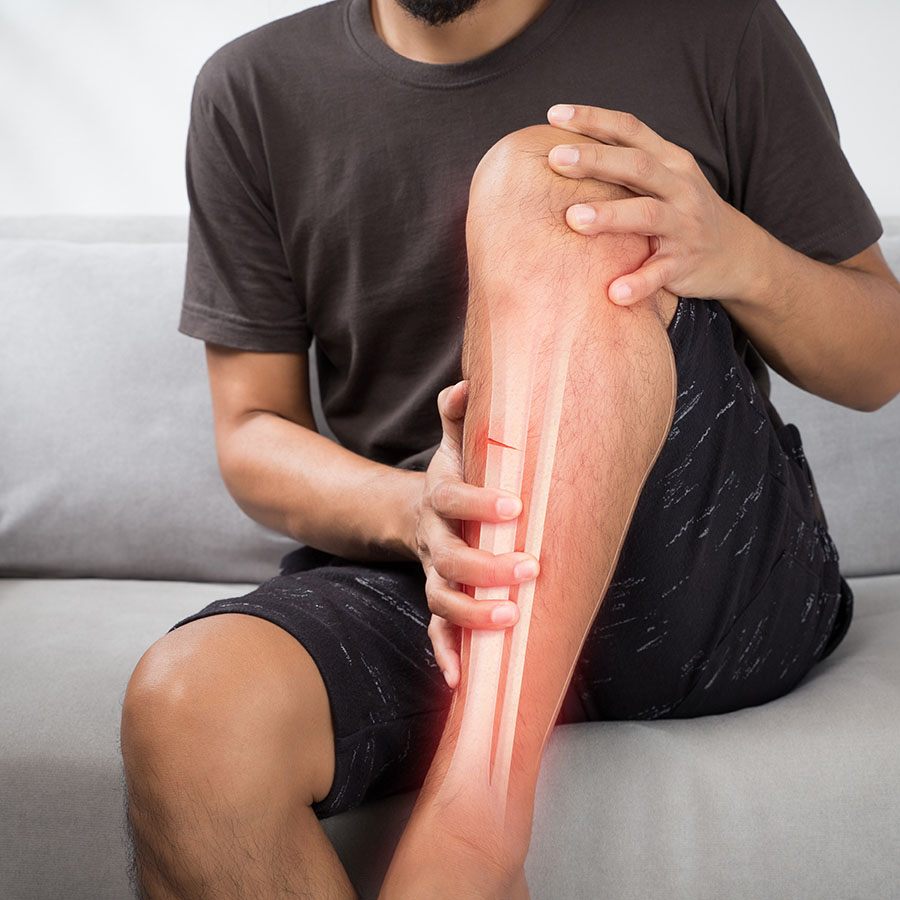
A fracture assessment considers the bone involved, fracture pattern, displacement, stability, joint surface, soft-tissue condition and neurovascular status. Age, bone quality, smoking, diabetes, medications, occupation and ability to follow restrictions may also influence treatment.
Stable and acceptably aligned fractures may be treated with a splint, cast, brace or Moonboot. Follow-up imaging may be required to confirm that alignment is maintained and healing is progressing. Instructions about movement, weight-bearing, elevation, work and driving are specific to the injury.
Surgery may be considered when a fracture is displaced or unstable, involves an important joint surface, threatens skin or soft tissues, cannot be held in an acceptable position, or is unlikely to heal satisfactorily without fixation. Depending on the injury, fixation may use plates, screws, nails, wires, sutures or other implants. The purpose of fixation is to restore acceptable alignment and stability while tissues heal. Surgery cannot reverse the original injury or guarantee normal movement, absence of arthritis or return to a specific activity.
Upper-limb injuries may affect the hand, wrist, forearm, elbow, upper arm or shoulder region. Management balances bone healing with preservation of tendon glide, joint movement, nerve function and hand use. Hand therapy or physiotherapy may be important after immobilisation or surgery.
Lower-limb injuries may affect the hip, femur, knee, tibia, fibula, ankle or foot. Treatment planning includes safe mobilisation, weight-bearing restrictions, swelling control, blood-clot prevention where required, and staged rehabilitation for gait, strength and balance.
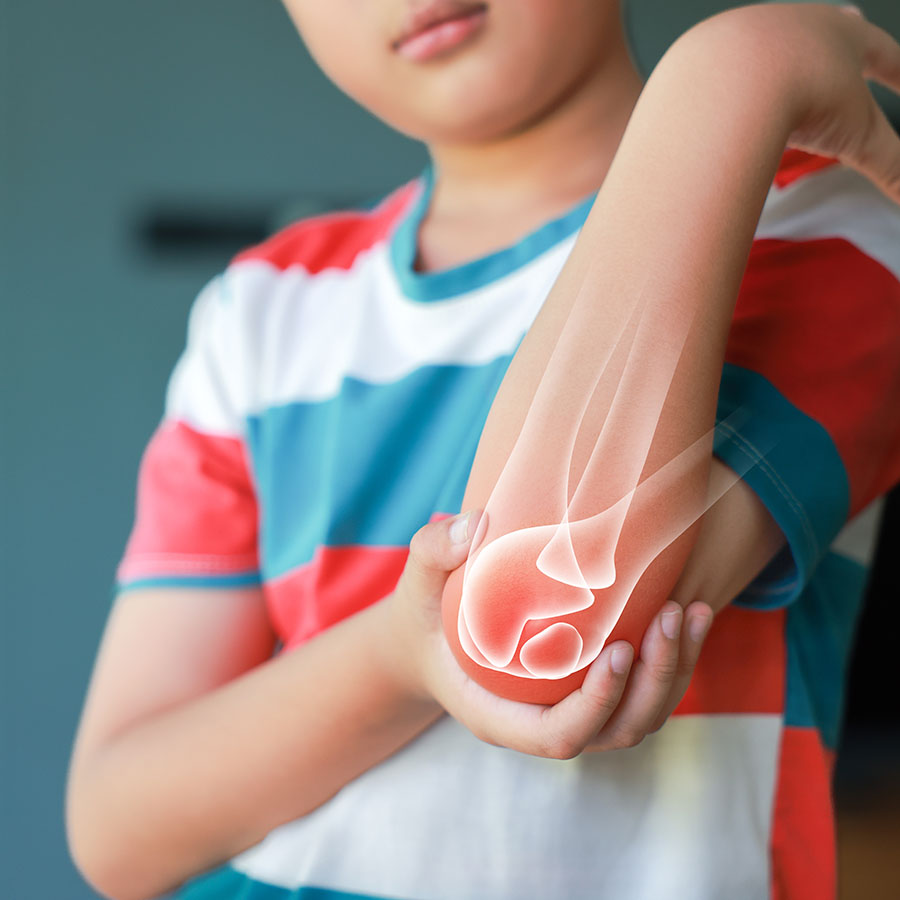
X-rays are the main initial test for most fractures. CT may define complex joint or fracture anatomy, while MRI or ultrasound may help assess selected ligament, tendon, cartilage or occult bone injuries. Imaging is requested when it is likely to influence diagnosis, treatment or follow-up.
The injury itself may cause stiffness, weakness, altered sensation, chronic swelling, tendon or ligament dysfunction, deformity, delayed union, non-union or post-traumatic arthritis. Surgical risks may include infection, bleeding, wound problems, blood clots, nerve or blood-vessel injury, metalwork irritation, loss of fixation, failure of healing, persistent pain and further surgery.
Recovery depends on the injury rather than a standard timetable. Bone healing often takes several weeks, while strength, movement, balance and endurance may take longer. Rehabilitation progresses according to wound healing, imaging, pain, stability and functional control.
Work restrictions are based on what can be performed safely, not simply whether duties are available. Driving requires adequate control of the vehicle, the ability to perform an emergency manoeuvre and freedom from medication or immobilisation that impairs safe driving.
An open wound over or near a suspected fracture
Obvious deformity or a joint that remains dislocated
A pale, blue, cold or pulseless limb
New numbness, weakness or inability to move the fingers or toes
Rapidly increasing swelling, severe pain or a very tight cast
Fever, spreading redness, wound leakage or increasing pain after surgery
Calf swelling, chest pain, shortness of breath or collapse
Review of the injury mechanism, emergency treatment and current symptoms
Examination of alignment, skin, swelling, movement, stability, sensation and circulation as relevant
Review of X-rays and other imaging
Discussion of non-surgical and surgical options, including uncertainty and risks
A written plan for immobilisation, movement, weight-bearing, work, driving, rehabilitation and follow-up
No. Many fractures heal with protection and monitoring. Surgery is considered when alignment, stability, joint involvement, soft tissues or patient factors make non-operative care less suitable.
Yes. Specialist follow-up may be arranged for monitoring, further imaging, surgical assessment or rehabilitation planning. Urgent deterioration should return to emergency care rather than wait for an appointment.
There is no single timeframe. Healing depends on the bone, fracture pattern, blood supply, treatment, smoking, diabetes, nutrition, medications and adherence to restrictions.
Not routinely. Removal is considered when implants are intentionally temporary, prominent, painful, infected or interfere with function. Removal is another operation with its own risks.
Sometimes, if suitable duties comply with the medical restrictions. Safety, mobility, medication, travel and workplace demands must all be considered.
Contact Summit Orthopaedics for non-emergency fracture or injury follow-up. Bring your referral, hospital discharge information, imaging and medication list. Consultations are held at Suite 61, St Andrew’s Toowoomba Hospital, 280 North Street, Rockville QLD 4350.